

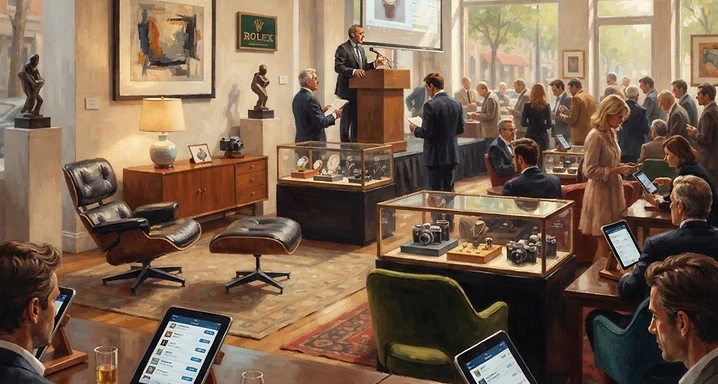
The secondary marketplace in 2026 is moving into a sophisticated new phase. Rather than chasing pandemic-era speculative frenzies, collectors and independent consignors are operating in a discerning, quality-driven environment. As digital-first bidding and real-time live events solidify their position as standard industry practice, understanding exactly what buyers want is the key to achieving strong sell-through rates.
Here is a breakdown of the prevailing forces moving the auction block right now, what categories are heating up, and actionable strategies to maximize lot realizations.
Shifting Dynamics: Circular Antiques and Verified Quality
A major catalyst reshaping decorative arts and furniture is the intersection of sustainable consumer habits and vintage appeal. According to market insights highlighted by industry observers like Gray's Auctioneers, younger demographics are bypassing modern mass-produced furniture in favor of well-crafted heirlooms. Sturdy Victorian pieces, solid pine furnishings, and mid-century functional staples provide character, longevity, and eco-friendly circularity that new catalog items simply cannot replicate.
Simultaneously, the collectibles sector is driven by professional certification and condition sensitivity. As detailed in Estimonia's 2026 collectibles analysis, third-party grading has expanded well beyond classic numismatics and sports cards into vintage action figures, sealed video games, and retro electronics. Across all categories, collectors are paying premium multiples for pristine, unaltered condition while heavily discounting poorly preserved or improperly cleaned lots.
What’s Hot on the Auction Floor
Demand is coalescing around strong visual identity, historical narrative, and nostalgic touchpoints. The most competitive bidding wars currently center around:
- Late 20th-Century Nostalgia: Pop-culture memorabilia, classic 1980s and 1990s action figures in untouched packaging, and iconic retro gaming titles continue to command heightened interest as Millennial buyers hit prime earning years.
- Character-Driven Jewelry: Estate jewelry with distinctive personality—especially Art Deco brooches, antique diamond cut pieces, and statement vintage heirlooms—is outperforming sterile modern luxury items.
- Authentic Folk Art and Textiles: Regional folk craftsmanship, embroidered textiles, and handmade decorative arts that bring warmth to modern interior design aesthetics are seeing steady bidding from interior stylists and private collectors.
- Early Americana and Country Collectibles: Classic advertising porcelain signage, petroliana, and single-owner vintage automotive collections remain reliably buoyant, driven by enthusiastic cross-generational bidder bases.
High-Impact Selling Ideas for Consignors
Whether you are an independent picker or managing a major multi-lot consignment, modern bidding audiences demand transparency and high-touch digital presentation.
- Invest in Unvarnished Documentation: High-definition photography, video walkarounds, and honest condition reports protect your seller reputation and boost bidder confidence. Highlighting minor flaws up front often encourages aggressive proxy bidding because buyers trust the description.
- Leave Original Finishes Intact: Avoid amateur restoration or aggressive chemical polishing on coins, vintage watches, and early furniture. Natural age patinas and authentic surfaces consistently realize higher returns at auction than overly restored lots.
- Emphasize Story and Provenance: In an era of digital discovery, context drives hammer prices. Include maker stamps, purchase receipts, family history, and regional origins whenever possible to differentiate your items from generic offerings.
Key takeaway
Success in the 2026 auction market relies on curating character over mass-produced goods, embracing professional authentication, and providing complete digital transparency.

