
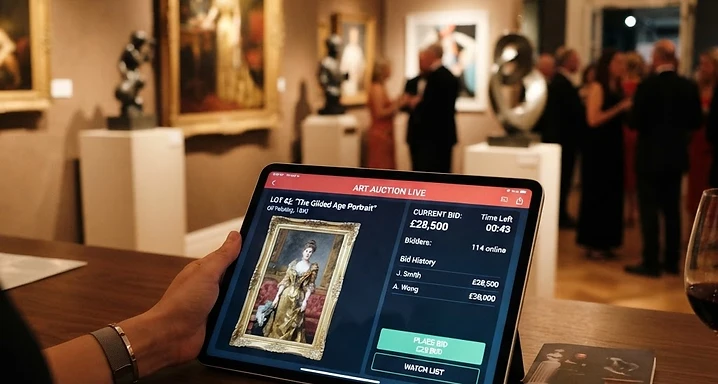
The auction market in 2026 is defined by a sophisticated blend of tradition and digital transformation. As of August, the global online auction sector continues to see robust growth, with market valuations climbing as collectors and sellers increasingly rely on data-driven insights to navigate their transactions. Whether you are a seasoned collector or an independent seller, understanding these shifts is essential for success in the current climate.
The Shift Toward 'Quality Over Quantity'
One of the most significant trends this year is the maturation of the collector base. The 'frenzy' of previous years has largely faded, replaced by a more deliberate, curated approach to acquisition. Collectors are now prioritizing quality, provenance, and long-term value over sheer volume. This 'quality over quantity' standard means that items with exceptional craftsmanship, limited production runs, and verified condition reports are commanding the most attention and the highest prices.
For sellers, this means that preparation is more critical than ever. High-quality photography, transparent condition reports, and detailed provenance are no longer optional—they are the baseline requirements for attracting serious bidders in a competitive digital environment.
Key Trends Shaping the 2026 Market
- Digital-First Engagement: Digital bidding is now the standard. Auction houses are increasingly leveraging AI and advanced software to provide seamless, real-time bidding experiences, making it easier for global participants to engage with local sales.
- The 'Youthquake' in Collecting: Millennial and Gen Z collectors are actively shaping the market, showing a strong preference for 'New Era' categories such as high-end sneakers, vintage watches, and pop-culture memorabilia. These tech-savvy buyers often track market sentiment online before committing to purchases.
- Sustainability and Circularity: There is a growing emphasis on the circular antique market. Collectors are increasingly drawn to the sustainability of buying pre-owned, high-quality items, which is bolstering demand for vintage furniture and decorative arts.
- Fractional Ownership: The 'phygital' marketplace—where physical assets are linked to digital counterparts—is gaining traction, allowing smaller investors to participate in high-value art and collectibles through fractional ownership models.
Strategies for Sellers and Buyers
For sellers, the current market rewards those who can tell a story. Targeted content creation around your items—highlighting their history, rarity, and unique features—can significantly boost bidder engagement. If you are selling, consider the timing of your listings; August has proven to be a busy month for auctions, with many collectors actively looking to refresh their portfolios before the end of the year.
For buyers, the best strategy remains research. Utilize available price databases to track trends over time and compare results across multiple auction houses. The market is currently transparent, and those who take the time to analyze historical data are better positioned to make informed, profitable decisions.
Key takeaway
Success in the 2026 auction market belongs to those who embrace digital tools, prioritize verified quality, and maintain a long-term perspective on value.

